Lisbon, the historic city that spans the Atlantic, not only boasts ancient charm but also the vibrant energy of modern culture. For first-time visitors, how can you make the most of just 3 days and 2 nights in this fascinating city? I provided a detailed itinerary to help explore Lisbon’s iconic landmarks, interactive Portuguese cuisine, and experience the city’s rich cultural atmosphere. You’ll be sure to leave with unforgettable memories.
1. Pre-Trip Preparations
1. Transportation Lisbon has convenient public transport. From the airport, you can take a taxi, the subway, or an airport bus. The subway is the most economical and convenient option, with a direct connection to the city center via the blue line. Lisbon’s trams are also iconic, especially Tram 28, a classic route that takes you through the old town. If you plan on using public transport multiple times, consider purchasing the “Lisboa Card.” This card gives you free access to most public transport and discounts at several museums and attractions.
2. Weather Lisbon has a mild climate, making it suitable for year-round travel. The spring and autumn months are particularly pleasant, with moderate temperatures ideal for outdoor activities. Though summer can be warm, the sun can be intense, so make sure to bring sunscreen and sunglasses.
2. 3-Day, 2-Night Essential Itinerary
Day 1: Arrival and Initial Exploration
Morning: Belém District
- Belém Tower (Torre de Belém)
- One of Lisbon’s most iconic landmarks, Belém Tower stands on the banks of the Tagus River and once served as a defensive fortress. Its unique shape symbolizes Portugal’s maritime history. From the tower, enjoy breathtaking views of the river and Lisbon’s port.
- Jerónimos Monastery (Mosteiro dos Jerónimos)
- A quintessential Portuguese building, this monastery exemplifies the Manueline architectural style. It houses historical relics, including the tomb of the great explorer Vasco da Gama, making it a prime spot to learn about Portugal’s seafaring history.
- Monument to the Discoveries (Padrão dos Descobrimentos)
- This monument, located in the Belém district, celebrates Portugal’s maritime history. Shaped like a ship, it features sculptures of Portugal’s famous explorers, including Vasco da Gama and Prince Henry the Navigator.
Lunch: Try Belém’s Traditional Treats – Portuguese Custard Tarts (Pastéis de Belém)
- Belém is famous for its authentic Portuguese custard tarts. Crispy on the outside and soft on the inside, they are a sweet treat not to be missed. Be sure to visit the Pastéis de Belém café for a taste.
Afternoon: Alfama District
- Santa Justa Lift (Elevador de Santa Justa)
- After returning to the city center, head to the Santa Justa Lift, a historic elevator connecting different elevations of the city. The lift offers a great view of the beautiful Lisbon cityscape.
- Alfama Old Town (Alfama)
- Alfama is the oldest district in Lisbon, with winding alleys, colorful houses, and a strong Fado music atmosphere. Take a leisurely walk, exploring the quaint shops and restaurants in the area.
Dinner: Enjoy Lisbon’s Seafood
- Portuguese seafood is renowned for its freshness, particularly codfish and mussels. Visit the famous “Ramiro” restaurant for a delicious seafood feast.
Day 2: Exploring Lisbon’s Culture and History
Morning: Museums and Arts District
- National Museum of Ancient Art (Museu Nacional de Arte Antiga)
- This museum houses an impressive collection of Portuguese and European art, ranging from the Renaissance to the Baroque period. It’s a must-visit for art lovers.
- Ribeira Market (Mercado da Ribeira)
- A lively market where locals buy fresh produce and seafood, it’s also a great place to experience Portuguese food culture. Try local specialties like Portuguese sausages and seafood rice.
Lunch: Traditional Portuguese Dishes at Ribeira Market
- At the market, enjoy some classic Portuguese dishes, such as seafood rice (Arroz de Marisco) and Portuguese BBQ (Churrasco).
Afternoon: Modern Art and Museums
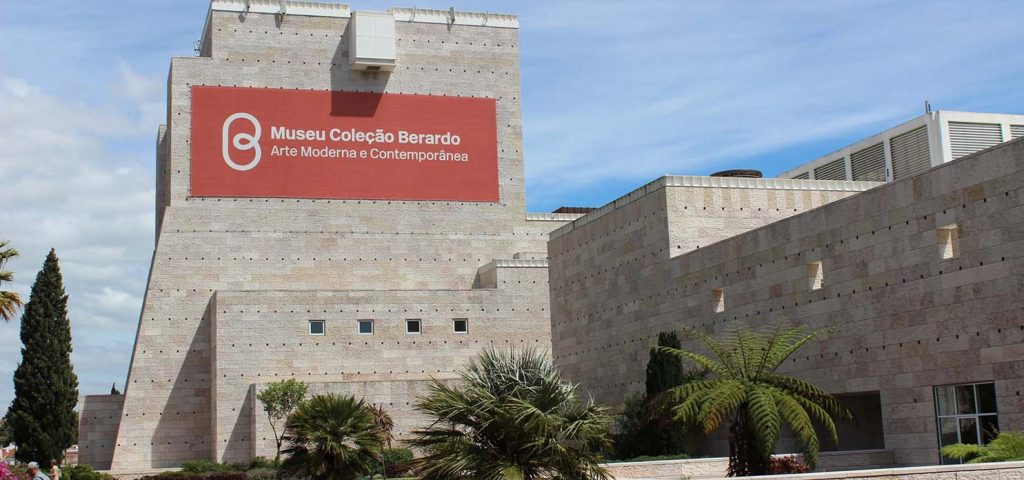
- Berardo Collection Museum (Museu Coleção Berardo)
- A modern art museum showcasing works by artists such as Picasso, Dali, and Warhol. It’s a must for those who enjoy contemporary art.
- Belém Cultural Center (Centro Cultural de Belém)
- Lisbon’s cultural hub, hosting exhibitions, concerts, and other events. The center also features a modern library and cinema.
Evening: Experience Fado Music
- Fado is a traditional Portuguese music style, known for its emotional and melancholic tone. Head to a small bar in Alfama to enjoy a live Fado performance while sipping on a drink and soaking up the unique atmosphere of Lisbon.
Day 3: Lisbon’s Modernity and Natural Beauty
Morning: Modern Landmarks and Shopping
- Parque das Nações (Park of Nations)
- This area, once home to the 1998 World Expo, is now a vibrant hub of modern architecture, shopping, and attractions. Here, you’ll find the Oceanarium (Oceanário de Lisboa), one of the largest indoor aquariums in the world. With its impressive marine life exhibits, it’s a fantastic visit for families and anyone interested in marine conservation. The area also offers striking modern buildings and scenic riverside walks, ideal for a leisurely morning.
- Lisbon Shopping District
- For those who enjoy shopping, Avenida da Liberdade is Lisbon’s most prestigious shopping avenue, lined with high-end boutiques and flagship stores of luxury brands like Louis Vuitton, Gucci, and Prada. Even if you’re not looking to buy, the street’s elegant architecture and bustling atmosphere make it a lovely place to stroll, grab a coffee, or window shop.
Lunch: Creative Portuguese Cuisine at a Modern Restaurant
At lunch, indulge in creative Portuguese cuisine at a modern restaurant such as Belcanto, which holds a Michelin star. The restaurant takes traditional Portuguese ingredients and transforms them with a modern twist, offering an innovative dining experience that highlights the richness of the country’s culinary heritage. It’s an unmissable experience for food lovers looking for a refined yet authentic meal in Lisbon.
Afternoon: Explore Lisbon’s Parks
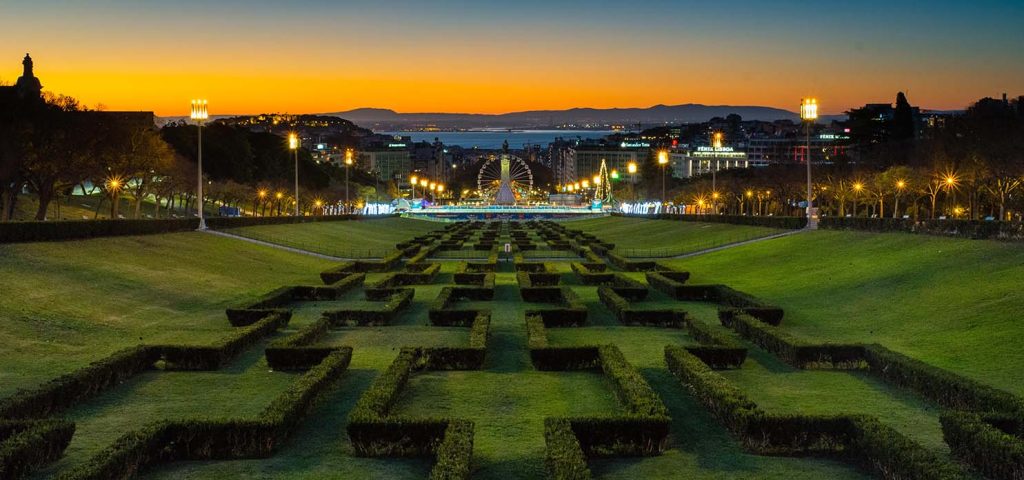
- Eduardo VII Park (Parque Eduardo VII)
- This park, one of the largest green spaces in the city, is located just a short walk from Avenida da Liberdade. The park offers stunning panoramic views of Lisbon and the river, making it a perfect spot to relax and soak in the scenery. The park’s symmetrical gardens, tree-lined avenues, and tranquil environment provide a refreshing break from the urban hustle.
- Lisbon Botanical Garden (Jardim Botânico da Universidade de Lisboa)
- If you’re a nature lover, a visit to the Lisbon Botanical Garden is a must. Located near the University of Lisbon, it houses a diverse collection of plants from around the world. The peaceful surroundings, with shaded walkways and beautifully curated flower beds, create a serene environment for a leisurely afternoon stroll. It’s the perfect place to unwind and enjoy Lisbon’s natural beauty.
Dinner: A Final Farewell Dinner in Lisbon
- For your final dinner in Lisbon, treat yourself to a memorable meal at a renowned local restaurant. Try traditional Portuguese dishes such as Cordeiro (stewed lamb) or Chouriço (Portuguese sausage), which are packed with rich flavors. Many of the city’s top restaurants feature cozy atmospheres and attentive service, ensuring that your last night in Lisbon is as delightful as your first. Consider a scenic restaurant overlooking the Tagus River to enjoy a beautiful sunset along with your meal.
3. Travel Tips
- Wear Comfortable Shoes: Lisbon’s streets are often cobbled and hilly, so it’s essential to wear comfortable walking shoes for exploring the city on foot. Comfortable footwear will ensure you can walk around the historical neighborhoods, climb hills, and navigate the charming cobblestone streets without discomfort.
- Don’t Forget Sunscreen: The sun can be strong in Lisbon, even during the cooler months. Always pack sunscreen to protect your skin while walking around the city, especially if you plan to spend a lot of time outdoors.
- Tipping Culture: In Portugal, tipping is customary but not mandatory. Typically, a tip of 5%-10% of the bill is appreciated for good service. In restaurants, it’s polite to leave some change, and for hotel staff, a small tip for their service will be well-received.
- Language: While Portuguese is the official language of Lisbon, you’ll find that many locals, especially in tourist areas, speak English. It’s always a good idea to learn a few basic phrases in Portuguese to enhance your experience and connect with the local culture.
- Safety Tips: Lisbon is generally a very safe city for tourists. However, as with any major city, be mindful of your belongings, especially in crowded areas such as the Baixa district and on public transport, where pickpockets may operate. Always stay vigilant, particularly in busy tourist spots.
Lisbon, with its seamless blend of history, modernity, and natural beauty, offers countless unforgettable experiences. This 3-day, 2-night itinerary will guide you through the city’s key landmarks and hidden gems, allowing you to delve deep into its cultural fabric. From the ancient history of Belém to the modern innovation in Parque das Nações, Lisbon promises a rich and diverse experience that will leave you with lasting memories. Whether you’re indulging in world-class cuisine, exploring historic neighborhoods, or enjoying peaceful parks, Lisbon has something for everyone.